Advanced Rotor Fault Detection in High-Efficiency Motors
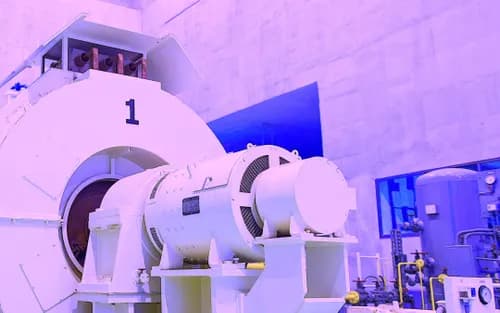
High-efficiency motors are crucial for industrial automation, but their increased power density makes them susceptible to rotor failures. Detecting these faults early is essential to prevent catastrophic breakdowns and minimize downtime.
Common Rotor Fault Types
Understanding the nature of the fault is the first step toward effective detection.
- Broken Rotor Bars: Caused by thermal stress, centrifugal forces, or manufacturing defects.
- End Ring Breakage: Often results from excessive heating or mechanical fatigue.
- Rotor Eccentricity: Air gap unevenness leading to magnetic imbalance and bearing stress.
Detection Methodologies
1. Motor Current Signature Analysis (MCSA)
Analyzes the frequency spectrum of stator current to identify sidebands around the fundamental frequency caused by rotor faults.
2. Vibration Analysis
Monitors mechanical vibrations using accelerometers to detect structural imbalances or bearing issues stemming from rotor faults.
3. Thermal Imaging
Uses infrared cameras to detect abnormal hotspots on the rotor or housing indicating excessive friction or electrical issues.
4. AI-Powered Diagnostics
Applies machine learning algorithms to historical data to predict potential faults before they occur based on operational patterns.
Predictive Maintenance Framework
Implementing a robust detection strategy requires combining sensors with predictive analytics.
- Continuous monitoring of electrical and mechanical parameters.
- Setting threshold limits based on motor operating conditions.
- Utilizing edge computing for real-time fault identification.
- Automated alerts for maintenance scheduling.
Conclusion
Proactive rotor fault detection is vital for the longevity of high-efficiency motors. By leveraging modern diagnostic tools like MCSA and AI diagnostics, industries can significantly reduce unexpected failures and optimize maintenance costs.